You press the handle, expecting everything to swirl down the drain. Instead, the water level starts rising rapidly toward the rim. Panic sets in. A toilet overflowing is a homeowner’s worst nightmare, bringing the immediate threat of water damage and unsanitary messes to your bathroom floors.
Acting quickly is the only way to prevent a minor plumbing hiccup from becoming a costly disaster. We have all been there, staring helplessly at the rising water. Fortunately, you can take control of the situation if you know exactly what parts to turn off.
This guide will walk you through the steps you need to take to stop the water, identify what caused the blockage, and safely resolve the issue.
Why Toilets Overflow in the First Place
Before you can fix the problem permanently, it helps to understand why an overflowing toilet happens. Usually, the water has nowhere to go, or the tank simply won’t stop refilling.
Here are the most common culprits behind your bathroom flood:
- A clog in the toilet trap: The curved channel inside the porcelain bowl is designed to hold standing water and block sewer gases. Unfortunately, its shape makes it an easy place for debris to get stuck.
- Too much toilet paper or non-flushable items: We all know someone who uses half a roll per bathroom trip. Combine that with “flushable” wipes, paper towels, or feminine hygiene products, and a blockage is almost guaranteed.
- Kids flushing toys or foreign objects: Toddlers love to conduct science experiments. Finding out if a plastic dinosaur can swim is a very common cause of an obstructed pipe.
- Blockages deeper in the drain line: Sometimes the bowl itself is clear, but a buildup of hair, grease, or waste sits much further down the pipes.
- A malfunctioning float or fill valve: If the internal mechanics of your tank break, the water will continue to run endlessly, eventually spilling out onto the floor.
- Sewer line backups: Heavy rains, tree root intrusions, or a collapsed main line can push city sewer water straight back up into your home.
Steps to Take if Your Toilet Is Overflowing
When the water starts rising, you only have a few seconds to react. Follow these steps to take control of the situation and protect your property.
Stop the Water Flow Immediately
Your very first priority is cutting off the water supply. Reach down behind the base of the bowl near the wall. You will find a small silver or plastic water valve. Turn it clockwise as far as it will go to shut off the water.
If the valve is stuck, carefully remove the lid from the tank. Push the rubber flapper down over the hole at the bottom to stop water from entering the bowl. You can also lift the plastic float ball or cup to trick the fill valve into thinking the tank is already full.
Prevent Water From Spilling onto the Floor
If the bowl is already breaching its limits, grab any old towels, blankets, or heavy shirts nearby. Pack them tightly around the base of the porcelain to absorb the water and prevent it from seeping into your baseboards or the ceiling below.
Clear the Clog Safely
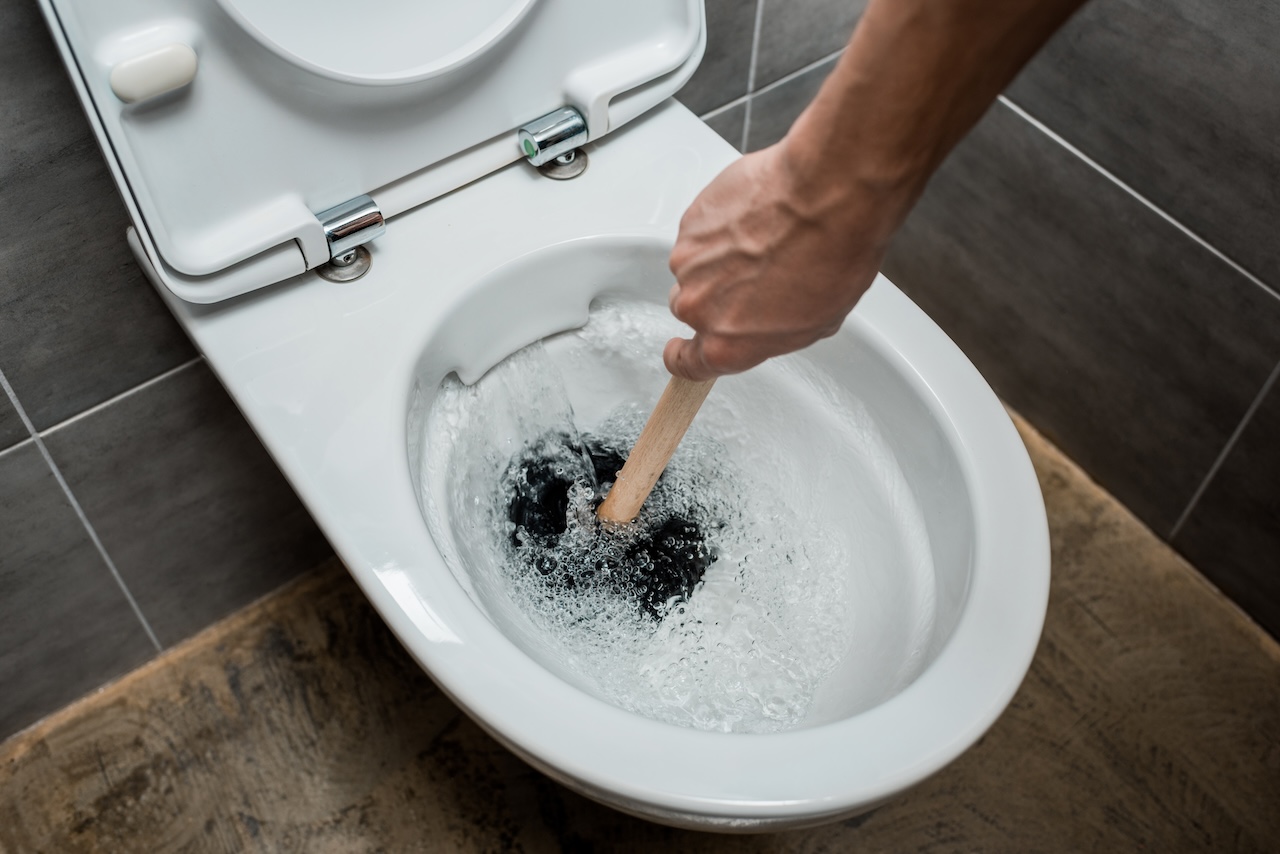
Once the water is shut off and the floor is protected, it is time to remove the blockage. Use a proper flange plunger—the kind with the rubber cup extension on the bottom. Place it directly over the drain hole to create a tight seal, then push and pull quickly.
Test the Toilet Carefully
After plunging, do not just press the flush handle to see if it worked. If the clog is still there, you will end up with another toilet overflowing. Instead, pour a small bucket of water directly into the bowl. If the water level drops normally, you have successfully cleared the pipe. Turn the wall valve back on and flush normally.
Signs the Problem Is Bigger Than a Simple Clog
Sometimes, a plunger is not enough. If your plumbing system is failing deeper underground, you might notice a few warning signs.
Watch out for multiple drains backing up in the home simultaneously. If you flush the bowl and water starts filling up your shower basin, you have a severe blockage. You might also hear strange gurgling sounds coming from nearby sink drains.
Frequent, unexplained clogs and lingering sewage smells in your hallways are also massive red flags. Any water backing up in tubs or sinks indicates a main sewer line issue that requires heavy-duty equipment to clear.
Get Emergency Help From a 24/7 Professional Plumber
Plumbing emergencies rarely happen at convenient times. If you have tried the steps above and still have a toilet overflowing, it is time to call in the experts. Ignoring a deep blockage can lead to severe structural damage and mold growth.
You need a team that will answer the phone at any hour. For reliable, 24/7 emergency services, contact Right Solution Plumbing! Our licensed, friendly technicians are available day and night to tackle your toughest blockages, fix broken valves, and get your bathroom back to normal fast. We provide upfront pricing and quality work on every single job.
Call for Emergencies! (951) 618-2251
Back to Blog