
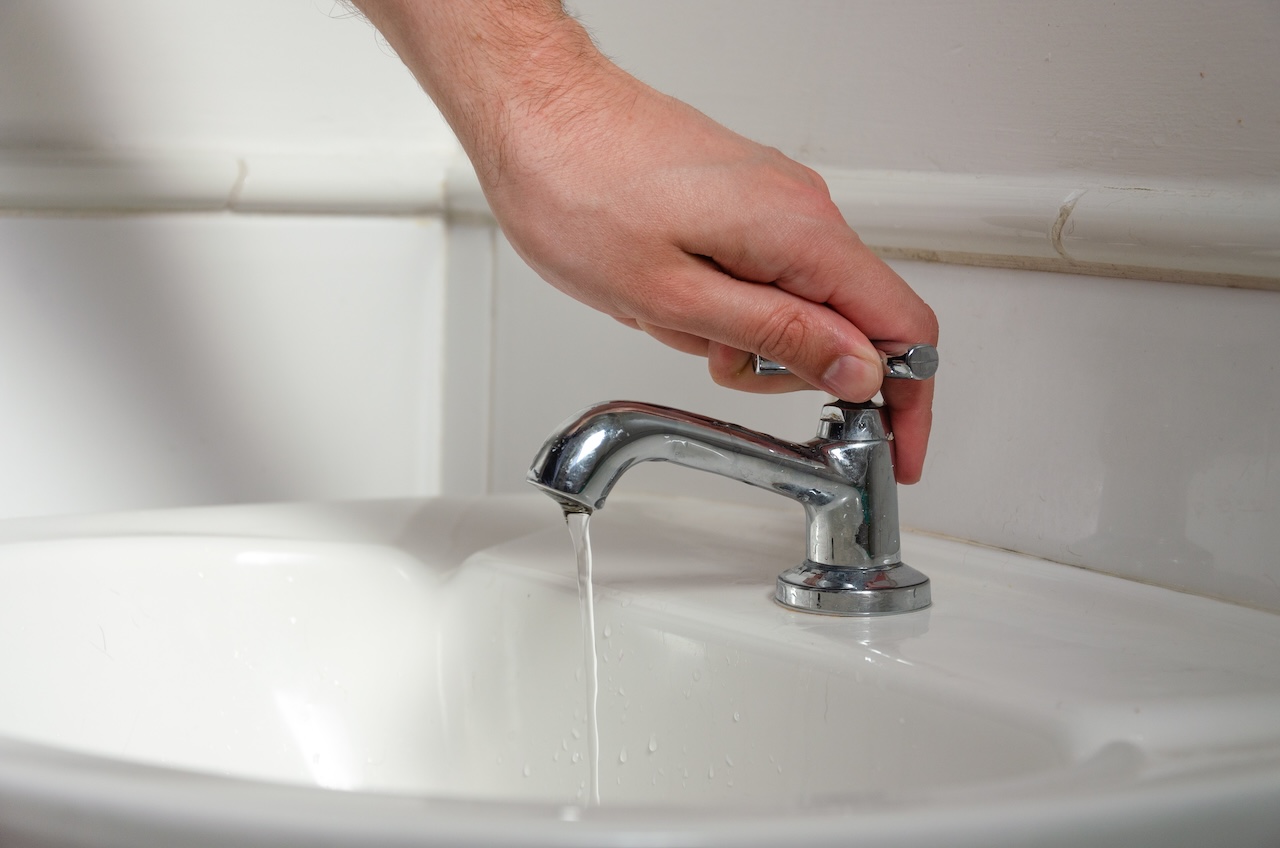
Have you ever noticed white, chalky spots on your glassware right after a cycle in the dishwasher? Or maybe your skin feels a bit dry and itchy after a shower? These are classic signs of hard water, a common issue affecting millions of homes.
While it might seem like a minor nuisance—a little extra scrubbing here, a little more lotion there—hard water does more than just annoy you. Beneath the surface, it could be wreaking havoc on your home’s plumbing system.
Understanding what hard water is and how it affects your pipes and appliances is crucial for every homeowner. Let’s dive into the nitty-gritty of minerals, scale, and hard water solutions to keep your plumbing flowing smoothly.
What Exactly Is Hard Water?
Water is considered “hard” when it contains high levels of dissolved minerals, primarily calcium and magnesium. As water travels through soil and rock, it picks up these minerals along the way. While they aren’t harmful to your health to drink, they can be tough on your home.
The main difference between hard and soft water lies in the mineral content. Soft water has few dissolved minerals or has been treated to remove them. Hard water, on the other hand, is mineral-rich.
You might not taste the difference, but your plumbing certainly feels it. The real trouble starts when these minerals settle out of the water and attach themselves to the surfaces they touch, especially the insides of your pipes.
How Hard Water Damages Your Plumbing System
It’s easy to focus on the visible spots on your faucet, but the real damage happens where you can’t see it. Over time, that mineral-rich water flows through your pipes, water heater, and appliances, leaving behind deposits that can lead to serious (and expensive) problems.
Mineral Scale Buildup
The most significant issue is scale buildup. Think of it like cholesterol in your arteries; as calcium and magnesium deposits accumulate inside your pipes, the opening for water to flow through gets narrower. This restricts water flow and increases pressure within the system, stressing pipe joints and potentially leading to leaks or bursts.
Damage to Water Heaters
Your water heater is particularly vulnerable. Heat accelerates the separation of minerals from water, causing scale to form rapidly at the bottom of the tank. This layer of sediment acts as an insulator between the heating element and the water, forcing your heater to work much harder to do its job. This not only spikes your energy bills but can also cause the tank to overheat and fail prematurely.
Wear and Tear on Fixtures and Appliances
Hard water is abrasive. It corrodes the rubber seals and washers in your faucets and valves, leading to those annoying drips. It also shortens the lifespan of appliances that use water, like dishwashers and washing machines, by clogging their internal mechanisms with mineral deposits.
Warning Signs Your Plumbing Is Suffering
How do you know if your home is losing the battle against mineral buildup? Keep an eye out for these tell-tale signs:
- Chalky Residue: White or greenish scale on faucets, showerheads, and inside your kettle.
- Frequent Repairs: If you are constantly fixing leaks or replacing parts, hard water might be the culprit.
- Water Pressure Issues: A sudden drop in pressure could indicate pipes are clogged with scale.
- Noisy Pipes: Banging sounds (water hammer) or a rumbling water heater often mean sediment buildup is interfering with flow.
- Early Appliance Failure: If your washing machine dies years before its warranty is up, mineral damage is a likely suspect.
Hard Water Solutions: Protecting Your Home
The good news is that you don’t have to let hard water ruin your plumbing. There are several ways to mitigate the damage, ranging from simple maintenance to whole-home systems.
If you are wondering how to fix hard water permanently, installing a water softener is an effective hard water solution. These systems use ion exchange to swap calcium and magnesium ions for sodium ions, effectively removing the hardness before it enters your pipes.
For those who prefer salt-free options, water conditioners (or descalers) can alter the structure of minerals so they don’t stick to surfaces, preventing scale buildup without removing the minerals entirely.
For maintenance, try flushing your water heater annually to remove sediment. Regularly cleaning aerators on faucets with vinegar can also keep water flowing freely.
When to Call an Emergency Plumber
Sometimes, prevention isn’t enough, and the damage is already done. If you experience a complete loss of water pressure, a burst pipe, or a water heater that is making alarming noises or leaking, it’s time to call in a professional.
A 24/7 emergency plumber like Right Solution Plumbing can assess the severity of the scale buildup and recommend whether you need pipe replacement or hard water solutions.
Taking steps now to manage hard water can save you a headache—and a lot of money—down the road! Get in touch with Right Solutions Plumbing to talk through your options or get a plumber out to take a closer look with our 24/7 emergency services.
Back to Blog