
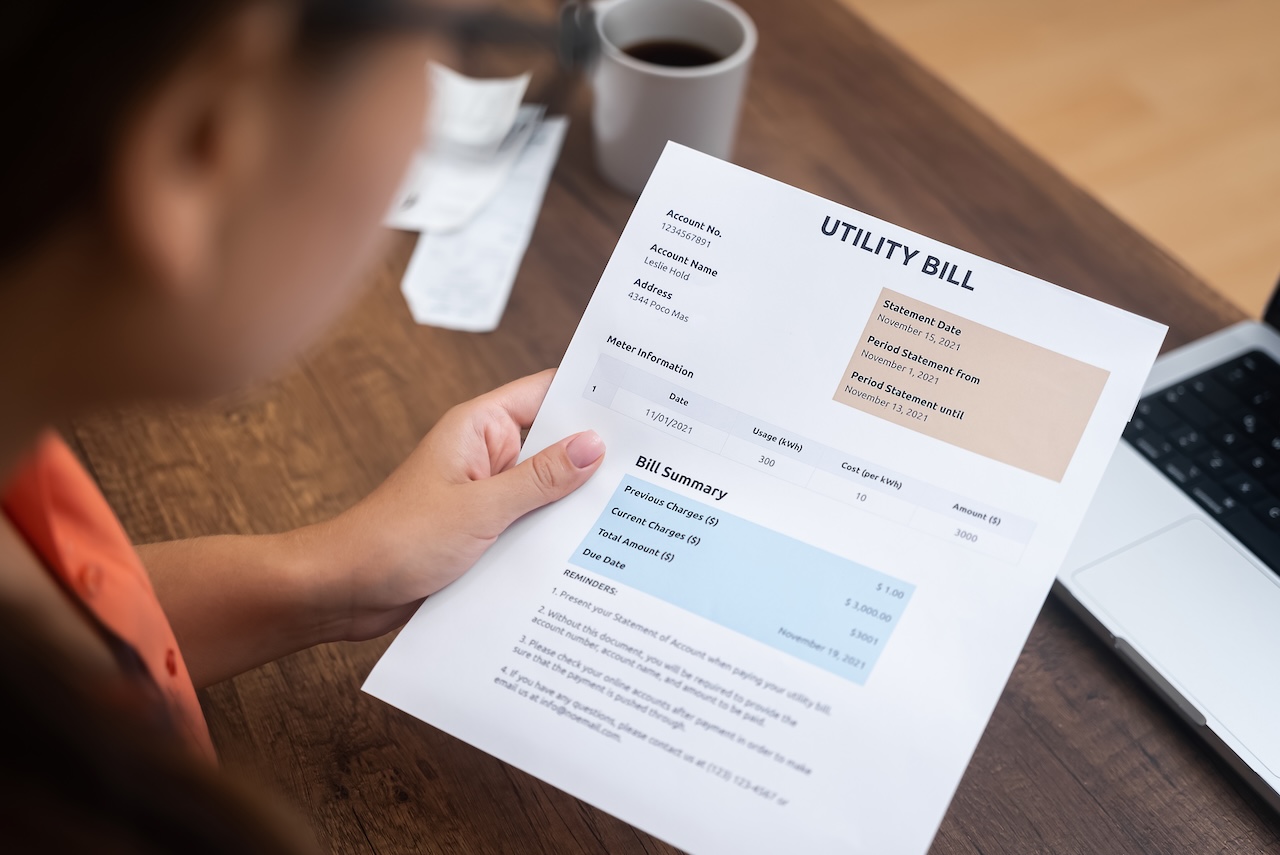
Opening the mail to find an unusually high water bill can instantly ruin your morning. You haven’t filled a swimming pool or started taking hour-long showers, but the total amount due has skyrocketed! If you’re asking, “why is my water bill so high?” the answer often comes down to an underlying plumbing issue wasting gallons of water behind the scenes.
Understanding exactly what drives these sudden price hikes is the first step to stopping them. This guide explains the most frequent causes of an expensive water bill and provides practical steps you can take to track down hidden leaks before they drain your bank account.
What Are the Most Common Reasons Your Water Bill Suddenly Went Up?
Could a Running or Leaking Toilet Cause a High Bill?
A toilet with a faulty flapper valve silently wastes hundreds of gallons of water. If you occasionally hear your toilet randomly fill the tank when no one has used the bathroom, you likely have a continuous leak.
How Do Hidden Pipe Leaks Waste Water?
Water supply lines run behind drywall and beneath floorboards. A pinhole leak in one of these hidden pipes will constantly run, driving up your monthly expenses. Look for damp drywall, peeling paint, or a sudden moldy smell in your hallway or bathroom.
Are Water Heater Leaks Raising Your Bill?
Traditional tank water heaters hold dozens of gallons of water. When the drain valve loosens or the tank rusts through, a steady drip forms. Puddles around the base of the tank usually indicate an active water heater leak.
Did Increased Seasonal or Outdoor Usage Spike the Cost?
Watering a vegetable garden, filling a kiddie pool, or pressure washing the driveway during summer months adds up quickly. Seasonal changes frequently explain temporary bumps in utility costs.
What Irrigation or Outdoor Plumbing Problems Waste Water?
Sprinkler systems often develop broken sprinkler heads or cracked underground lines. Since these systems run early in the morning, homeowners rarely notice the massive puddles forming in the yard until the monthly statement arrives.
Do Worn Fixtures or Aging Appliances Use More Water?
A faucet that drips once per second wastes over 3,000 gallons of water a year. Similarly, old washing machines and dishwashers operate much less efficiently than modern models.
What Is a Slab Leak and Does It Affect the Bill?
Homes built on a concrete foundation have water lines running beneath the slab. If the soil shifts, these pipes can crack. A slab leak releases water directly into the ground beneath your home, causing massive spikes in water usage without obvious indoor puddles.
How Do I Identify the Cause of a Higher Water Bill?
If you are wondering, “why is my water bill so high?” start by narrowing down whether the increase came from normal usage, a visible leak, or a hidden plumbing problem.
Review Water Bills for Usage Patterns
Compare your current statement to the same month last year. This simple step helps rule out expected seasonal spikes.
Check Toilets, Faucets, and Visible Pipes for Leaks
Drop a little food coloring into the upper tank of your toilet. If the color seeps into the main bowl after 15 minutes without flushing, the flapper needs replacing.
Inspect Outdoor Hoses and Irrigation Systems
Walk your property while the sprinklers are running. Look for broken sprinkler heads shooting water into the street or unusually swampy patches of grass.
Read Your Water Meter to Confirm a Leak
Turn off all water sources inside and outside the house. Locate your main water meter and write down the exact reading. Wait one to two hours without using any water, then check the meter again. Any movement on the dial means you have an active plumbing leak.
When Should I Call a Professional Plumber for High Water Bills?
Choose a professional plumbing service if the water meter test confirms a leak but you can’t find any visible dripping faucets or running toilets.
Hidden pipe leaks and underground slab leaks require specialized video inspections and acoustic leak detection tools that only a licensed professional possesses. Catching these issues early prevents thousands of dollars in structural water damage.
Frequently Asked Questions About High Water Bills
Can a toilet leak cause a high water bill?
Yes, a continuously running toilet can waste a significant amount of water, leading to a drastically higher utility bill at the end of the month.
How do I check my water meter for a leak?
Shut off all water inside and outside the home. Record the number on your water meter, wait two hours without running any water, and check the number again. If the number increases, a leak is present.
Will my water bill go back to normal after a leak is fixed?
Once a professional plumber fully repairs the broken pipe or faulty fixture, your water usage will return to normal levels.
Should I call a plumber or my water company first?
Call your water company first to verify that they did not make a meter reading error. If the reading is accurate, contact a licensed plumber to locate and fix the leak.
What is the first thing I should check after a high water bill?
Test your toilets first using the food coloring trick, as faulty flappers are the most common and easily fixed cause of wasted water in a residential home.
What is a slab leak and how do I know if I have one?
A slab leak is a broken pipe beneath your home’s concrete foundation. Signs include unexplained high bills, warm spots on the floor, the sound of running water when fixtures are off, and a drop in water pressure.
Stop Wasting Money and Fix That Hidden Leak
If you keep asking, “why is my water bill so high?” and you are tired of paying exorbitant utility bills for water you never actually used, it’s time to bring in the experts. The team at Right Solution Plumbing specializes in leak detection and pipe repairs.
Visit Right Solution Plumbing to schedule your professional leak detection service today.
Back to Blog